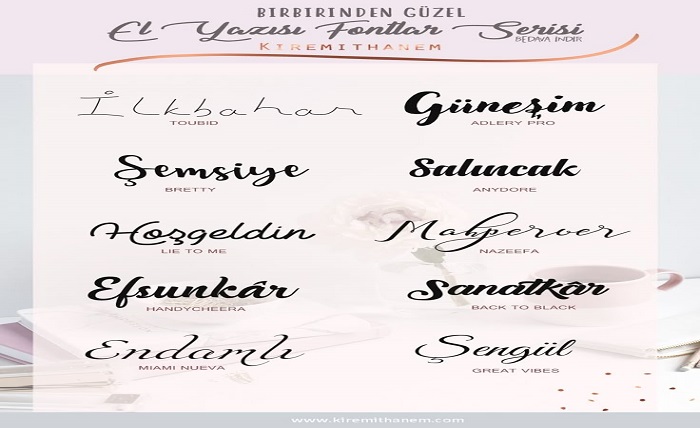
The concept of yazı tipi plays a crucial role in modern visual communication, especially in graphic design, branding, and digital media. Every visual message you see today—from websites to advertisements—is influenced by yazı tipi, which shapes how information is perceived and understood. Designers rely on yazı tipi to create emotional impact, readability, and visual hierarchy in their work.
Understanding yazı tipi is not just about selecting attractive letters; it is about communicating tone, personality, and meaning through text design. Whether you are a beginner or a professional designer, mastering yazı tipi helps you build stronger and more engaging visuals. In today’s digital world, yazı tipi has become one of the most powerful elements of design strategy.
Basics of yazı tipi in Graphic Design
The fundamentals of yazı tipi in graphic design start with understanding how type influences readability and communication. Every design project depends heavily on yazı tipi to ensure that messages are clear and visually appealing. Without proper yazı tipi, even the best design layout can fail to communicate effectively.
In basic design principles, yazı tipi is used to guide the viewer’s eye through hierarchy, contrast, and spacing. Designers choose yazı tipi styles based on the purpose of the content, whether it is formal, playful, or informational. For example, a bold yazı tipi may be used for headlines, while a simple yazı tipi works best for body text.
Learning yazı tipi basics also involves understanding spacing, alignment, and readability across different devices. A good yazı tipi choice ensures that the audience can easily consume the message without strain or confusion.
History and Evolution of yazı tipi
The history of yazı tipi dates back to ancient handwritten scripts and has evolved significantly over centuries. Early forms of yazı tipi were created through calligraphy and manual printing techniques, which eventually led to the development of movable type printing systems. This evolution of yazı tipi revolutionized communication and publishing.
As technology advanced, yazı tipi transitioned from physical printing presses to digital fonts used in computers and mobile devices. Today, modern yazı tipi libraries include thousands of styles ranging from serif to sans-serif, decorative, and script fonts.
The evolution of yazı tipi also reflects cultural and artistic changes. Different eras introduced unique yazı tipi styles that represented their time period, such as classical serif fonts in traditional publishing and minimalist yazı tipi styles in modern digital design. Understanding this evolution helps designers appreciate the importance of yazı tipi in shaping visual history.
Types of yazı tipi Classifications
There are several categories of yazı tipi that designers use depending on the project requirements. The most common classification of yazı tipi includes serif, sans-serif, script, and display styles. Each yazı tipi type carries a unique personality and visual effect.
Serif yazı tipi is often used in print media such as books and newspapers because it enhances readability in long texts. Sans-serif yazı tipi is widely used in digital platforms due to its clean and modern appearance. Script yazı tipi mimics handwriting and adds elegance, while decorative yazı tipi is used for creative and artistic designs.
Choosing the right yazı tipi classification is essential for maintaining design consistency and communication clarity. Designers must carefully evaluate the tone and purpose of the project before selecting a yazı tipi style.
How to Choose yazı tipi for Branding
Selecting the right yazı tipi for branding is one of the most important decisions in visual identity design. A brand’s personality is strongly influenced by the yazı tipi used in its logo, advertisements, and marketing materials. A consistent yazı tipi helps build recognition and trust among audiences.
When choosing yazı tipi for branding, designers consider factors such as target audience, industry type, and emotional impact. For example, luxury brands often use elegant serif yazı tipi, while tech companies prefer clean and modern sans-serif yazı tipi styles.
A strong yazı tipi selection ensures that the brand message is communicated effectively across all platforms. Consistency in yazı tipi usage strengthens brand identity and creates a memorable visual presence. Poor yazı tipi choices, on the other hand, can weaken brand perception.
yazı tipi Pairing Techniques in Design
Effective yazı tipi pairing is essential for creating visually balanced and professional designs. Combining different yazı tipi styles allows designers to establish hierarchy and contrast within a layout. However, improper yazı tipi pairing can make a design look messy and unorganized.
A common rule in yazı tipi pairing is to combine one decorative or bold font with a simple and readable yazı tipi. This creates balance while maintaining clarity. For example, a bold headline yazı tipi can be paired with a clean sans-serif body yazı tipi.
Contrast in yazı tipi pairing can also be achieved through size, weight, and spacing. Designers often experiment with different yazı tipi combinations to find the most visually appealing structure. Proper yazı tipi pairing enhances readability and improves overall user experience.
Digital Tools for yazı tipi Selection
Modern design software offers a wide range of tools to explore and manage yazı tipi options efficiently. Platforms like Adobe Photoshop, Illustrator, Canva, and Figma provide extensive yazı tipi libraries that allow designers to experiment with different styles.
Google Fonts is another popular resource for selecting free and high-quality yazı tipi options. It provides thousands of yazı tipi styles that can be easily integrated into web and print projects.
Using digital tools helps designers preview how a yazı tipi will look in real-time across different layouts. Advanced tools also allow customization of yazı tipi spacing, alignment, and scaling. Mastering these tools is essential for improving workflow efficiency in yazı tipi design projects.
Common Mistakes in yazı tipi Usage
Many beginners make critical mistakes when working with yazı tipi, which can negatively impact design quality. One common mistake in yazı tipi usage is selecting too many fonts in a single project, which creates visual confusion.
Another frequent issue is poor yazı tipi contrast, where text becomes difficult to read due to similar background colors. Overusing decorative yazı tipi styles can also reduce readability and professionalism.
Ignoring spacing and alignment is another major mistake in yazı tipi design. Proper kerning, line height, and layout structure are essential for maintaining clarity. A well-balanced yazı tipi ensures that the design remains clean and effective.
Avoiding these mistakes allows designers to create more polished and impactful yazı tipi compositions.
Advanced Tips for yazı tipi Mastery
To master yazı tipi, designers must go beyond basic rules and explore advanced techniques. One important tip in yazı tipi mastery is understanding emotional design—how different yazı tipi styles influence user perception and behavior.
Experimenting with custom yazı tipi modifications can also help create unique visual identities. Many professional designers tweak existing yazı tipi styles to achieve originality in their work.
Another advanced technique in yazı tipi design is responsive typography, where yazı tipi adjusts automatically based on screen size and device type. This ensures consistency across platforms.
Continuous practice and studying professional yazı tipi examples are essential for improving skills and staying updated with design trends.
Conclusion
In conclusion, yazı tipi is one of the most important elements in graphic design and visual communication. From branding and advertising to digital interfaces, yazı tipi influences how messages are delivered and perceived.
Mastering yazı tipi requires understanding its history, classifications, pairing techniques, and practical applications. Designers who effectively use yazı tipi can create powerful, engaging, and memorable visuals.
Whether you are a beginner or an experienced designer, improving your knowledge of yazı tipi will significantly enhance your creative abilities and professional output.
FAQs
1.What is yazı tipi in graphic design?
yazı tipi in graphic design refers to the style and appearance of text used to communicate messages visually in a design layout.
2.Why is yazı tipi important in branding?
yazı tipi is important in branding because it helps establish identity, recognition, and emotional connection with the audience.
3.How do I choose the best yazı tipi?
Choosing the best yazı tipi depends on the project purpose, audience, and tone of communication you want to achieve.
4.What are the main types of yazı tipi?
The main yazı tipi types include serif, sans-serif, script, and decorative fonts, each serving different design purposes.
5.What are common mistakes in using yazı tipi?
Common mistakes in yazı tipi include using too many fonts, poor readability, weak contrast, and improper spacing.